How Do Microplastics Get Into Your Body?
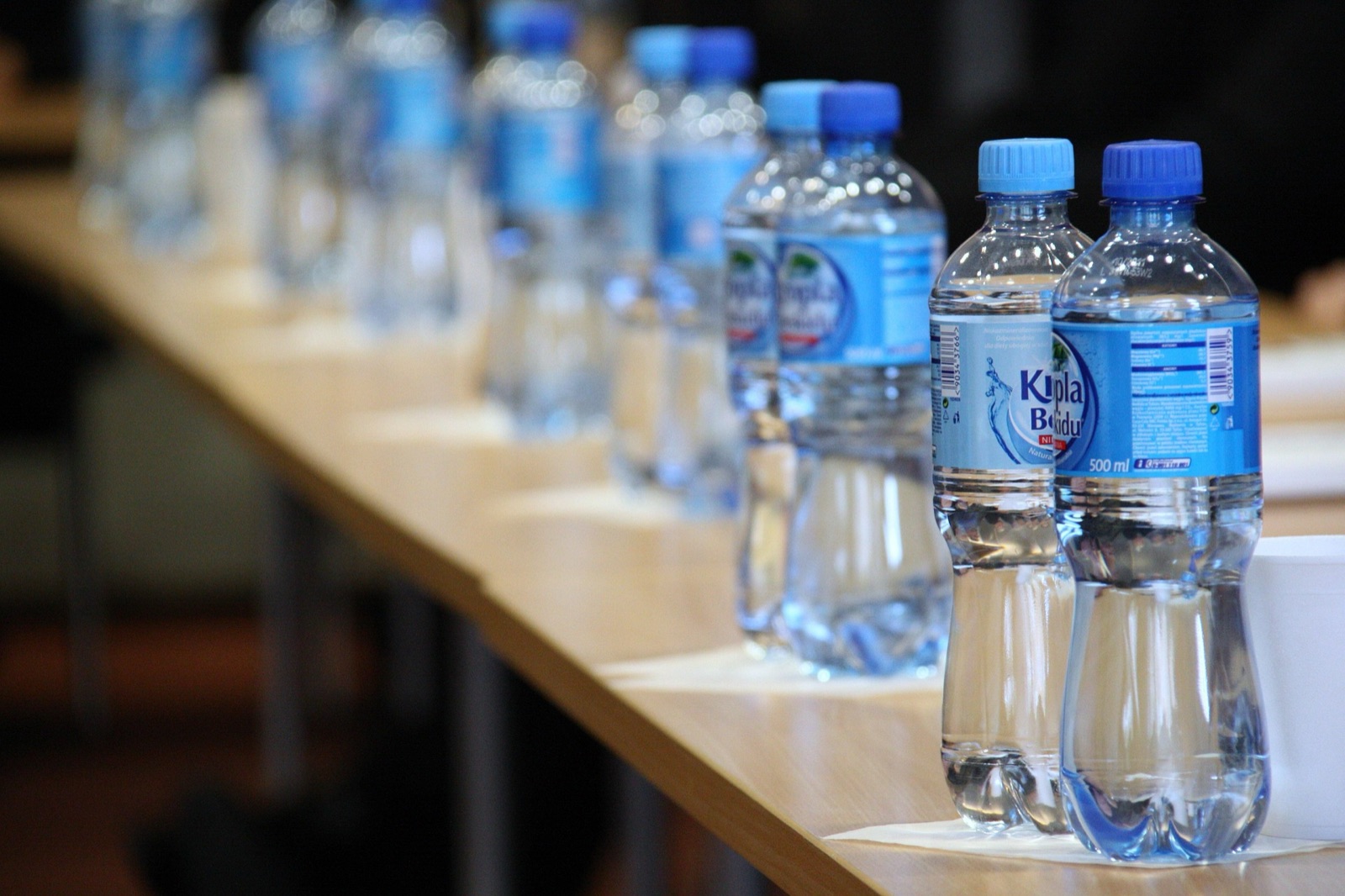
Microplastics get into your body three ways: you swallow them (food, drinks, and what sheds off packaging and cookware), you breathe them (mostly indoor dust full of synthetic fibers), and, to a much smaller degree, they may touch or cross your skin. Swallowing and breathing are the big two. Skin is the one scientists are least sure about.
That's the short version. The long version has a few surprises in it, and a few things that are way less settled than the internet makes them sound.
I fell down this rabbit hole after watching The Plastic Detox on Netflix. It made me look around my own house and realize how many things I'd been taking for granted. I already knew microwaving plastic was a bad idea. I just wasn't strict about it, because you can't see it or smell it, and nothing bad happens right away.
Then I read Count Down (opens in a new tab) by Shanna Swan and To Dye For (opens in a new tab) by Alden Wicker, and the polyester thing hit me. Our bedding was polyester. A big chunk of our clothes were too. Because it's cheap! I'm still swapping things out, and I do it mostly by thrifting, which is slower. I'm doing the best I can with what I can afford, especially in this economy.
Some links in this post (the two books and the water filter) are affiliate links. If you buy through them, I may earn a small commission at no extra cost to you. As an Amazon Associate I earn from qualifying purchases.
So here's how it all gets in, based on what I've read and dug up.
First, what counts as a microplastic?
Microplastics are plastic pieces smaller than 5 millimeters, about the size of a sesame seed or smaller. Nanoplastics are the really tiny ones, under 1 micrometer. That's less than one-seventieth the width of a human hair, so you'd never see them even with a good magnifying glass.
The smaller they are, the easier they are to take in. Most of the new research is about nanoplastics for exactly that reason, and they're also the hardest to measure. Keep that in mind, because it comes up again when we get to the brain studies.
Eating and drinking: the route everyone talks about
Swallowing is the way most people assume plastic gets in, and it's the best studied. A widely cited 2019 estimate in Environmental Science & Technology (opens in a new tab), led by Kieran Cox, put our yearly intake from food and drink at about 39,000 to 52,000 particles, with breathing adding another 35,000 to 69,000 or so. Cox said he expects those numbers are underestimates. The same work estimated that people who only drink bottled water take in roughly 90,000 extra particles a year, compared with about 4,000 extra for people who only drink tap.
Here are the biggest sources I found.
Bottled water
This one surprised me. A 2024 study from Columbia and Rutgers (opens in a new tab) (published in PNAS) used a new laser-based technique to count particles that older methods couldn't see. They tested five samples each from three popular US bottled water brands and found between 110,000 and 400,000 plastic particles per liter, averaging around 240,000. About 90 percent were nanoplastics.
Some of it likely comes from the bottle itself, and the researchers suggested heat or squeezing the bottle could add more. But they also found nylon and polystyrene particles, which hints that some of it is shed during the filtering and bottling process.
Two honest caveats. The study only tested three brands, and the researchers couldn't identify what most of the particles were. They matched about 10 percent to the seven plastics they were looking for. And the lead authors have said plainly that nobody knows yet how dangerous this is.
Tap water has microplastics too, but the Columbia team noted it generally has fewer.
Do water filters actually help?
Some do. Most of what's on the shelf hasn't been tested for the really tiny stuff, though.
Reverse osmosis is the strongest bet. The membrane pores are around 0.0001 microns, small enough to block nanoplastics too, and a 2022 paper (opens in a new tab) reported it fully removed polyethylene microplastics. Ultrafiltration (pores of 0.02 to 0.05 microns) also looks promising. Adding it at a treatment plant raised microplastic removal from about 86 percent to about 97 percent. That was plant scale, not a kitchen unit.
Carbon block filters probably catch the larger particles, roughly 0.5 microns and up. Pitchers are mostly unproven. And one 2024 study suggests nanofiltration membranes may shed synthetic material into the water themselves, so "membrane" doesn't automatically mean "better."
There's a certification now, NSF/ANSI 401 (opens in a new tab), but it only covers particles from 1 micron up. A box that says it removes nanoplastics is making a claim that standard doesn't test, so ask for the test data.
One cheap trick: a lab study (opens in a new tab) found that boiling hard tap water and then running it through an ordinary filter removed up to about 90 percent of micro- and nanoplastics. It worked because the mineral scale trapped the particles. Lab study, so keep your expectations modest.
If you want to go the reverse osmosis route, here's the one I'm linking for now: the Waterdrop C2SL (opens in a new tab), a countertop RO system with a glass pitcher and no plumbing. The manufacturer says SGS lab testing showed it removes 99.96 percent of microplastic particles. I haven't found independent testing, it only has about 10 ratings so far, and I haven't tried it myself. It also runs on electricity, and about 1 part of water goes down the drain for every 3 you get.
Here's the catch. Only the pitcher is glass. The housing, tank, and filters are plastic. I have yet to find a completely plastic-free reverse osmosis water filter, so if anyone reading this can make one, PLEASE do. Pretty please!
Tea bags
If you drink tea, check your bags. A 2019 McGill University study (opens in a new tab) led by Nathalie Tufenkji tested four commercial teas sold in "silky" plastic bags, the fancy pyramid-shaped ones. The bags were made of nylon and PET (the same plastic as most water bottles). Steeped at near-boiling temperature, a single bag released about 11.6 billion microplastic particles and 3.1 billion nanoplastic particles into the water.
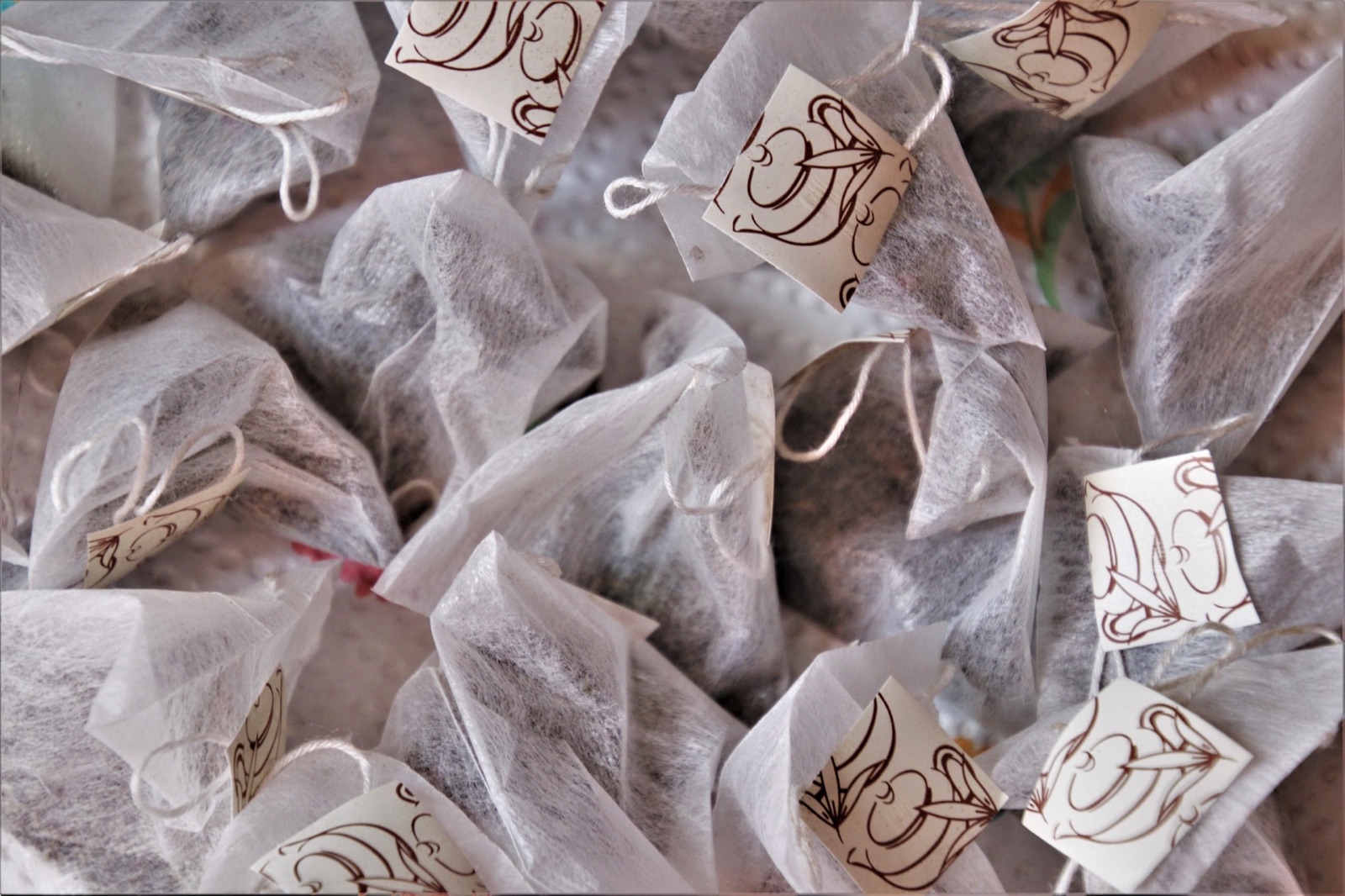
Tufenkji compared it to table salt, which has a fairly high plastic content for a food. A cup of that tea had thousands of times more plastic by mass.
One correction to the stuff floating around online: the plastic in that study was nylon and PET, not polypropylene. That said, regular paper tea bags with crimped, heat-sealed edges are usually held together with polypropylene. One consumer group (opens in a new tab) puts it at roughly 20 to 30 percent of the bag. I didn't find a study measuring how much those shed in hot water, so I won't put a number on it. Brands change their bags, so I'm not naming names. Check the maker's website, or look for bags that are stitched with cotton thread.
Loose leaf tea with a metal or glass infuser skips the whole question.
Microwaving and heating food in plastic
I knew this one was bad. I just didn't know the numbers. Researchers at the University of Nebraska-Lincoln (opens in a new tab) microwaved plastic baby food containers (polypropylene) and a reusable pouch (polyethylene) for three minutes. In some cases, over 2 billion nanoplastic particles and 4 million microplastic particles came off every square centimeter of plastic.
Both of those plastics are FDA-approved for food use. The team also exposed human kidney cells to the particles in a lab, and about three quarters of the cells died at the highest concentrations. That's a cell culture dish, not a person, so don't read it as a prediction. Still, it's a good reason to reheat in glass or ceramic.
Their tests also suggested that just storing food in these containers, even in the fridge or on the counter, released particles over time.
Plastic cutting boards
Nobody thinks about this one. A 2023 North Dakota State University study (opens in a new tab) had people chop on plastic boards and measured what came off. Their estimate was that a person using a polyethylene board could take in 14.5 to 71.9 million microplastic particles a year from chopping alone. A polypropylene board came in around 79.4 million.
That estimate rests on a lot of assumptions about how often and how hard you chop. In a short lab test, the particles didn't hurt mouse cells. Wood boards shed too, but they shed wood.
Every plastic board gets those knife grooves. Run your thumb across yours and you'll feel it.
Packaged and processed food
Anything that spends time sealed in plastic, especially hot or acidic or fatty food, can pick up particles from the wrapper. Single-use cups and takeout containers belong in this bucket too.
Seafood, crops, and salt
Plastic in the ocean breaks down and gets eaten by fish and shellfish, which we then eat. Farm soil gets plastic from sewage sludge (about half of it (opens in a new tab) in the US and Europe is spread on fields), plastic mulch film, and plastic-coated fertilizers and seeds. A 2020 study in Nature Sustainability (opens in a new tab) found wheat and lettuce can pull tiny polystyrene beads in through their roots. That was lab and sand work plus a 20-day soil test, so it doesn't prove what happens in a real field. Separate research in Italy (opens in a new tab) found particles in supermarket fruit and vegetables, with apples highest and lettuce lowest. Sea salt can carry them too, since it comes from evaporated seawater.

Breathing it in: the one people overlook
Food and water were once assumed to be the main route. Some scientists now think inhalation might actually be bigger.
Think about how much time you spend inside. A 2021 study in China found airborne microplastics were about eight times higher indoors than outdoors (as reported by the BBC (opens in a new tab)). The 2019 estimate I mentioned earlier put breathing at roughly 35,000 to 69,000 particles a year. Numbers like that swing a lot from study to study, depending on what size of particle gets counted.
Where indoor plastic dust comes from
Your carpet, couch, curtains, mattress, bedding, and clothes all wear down a little every day, and the fibers go into the air. If most of those are polyester, nylon, or acrylic, so is the dust. Barbro Melgert, a lung researcher at the University of Groningen, has pointed to American research (opens in a new tab) estimating that a home collects about 20 kilograms (44 pounds) of dust a year. About 6 kilograms (13 pounds) of that is microplastic, mostly fibers from synthetic clothes and carpets.
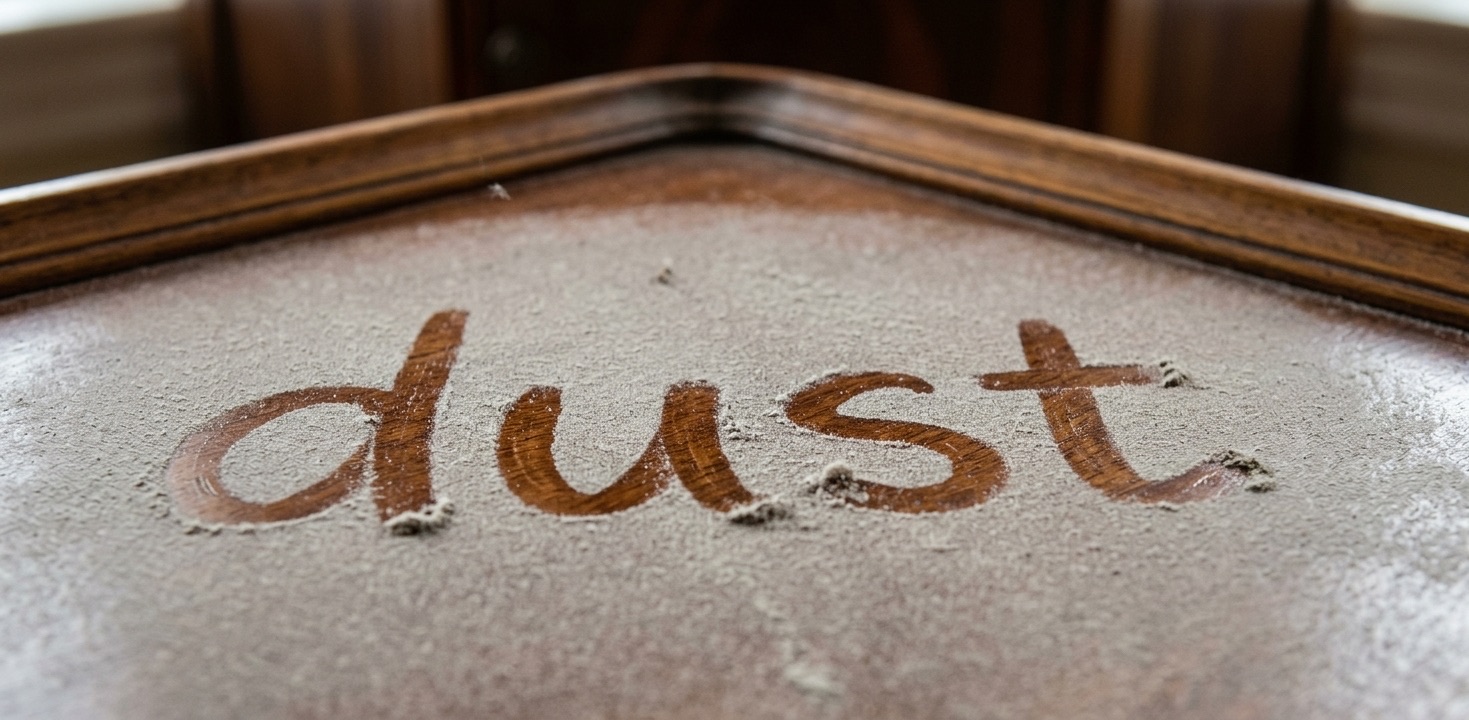
This is the part that got me about our bedding. You spend roughly a third of your life with your face a few inches from your sheets.
Laundry and the dryer
Washing synthetic clothes sheds fibers into the wash water. Estimates range from hundreds to hundreds of thousands of fibers per load, depending on the fabric. Fleece and thick knits shed the most.
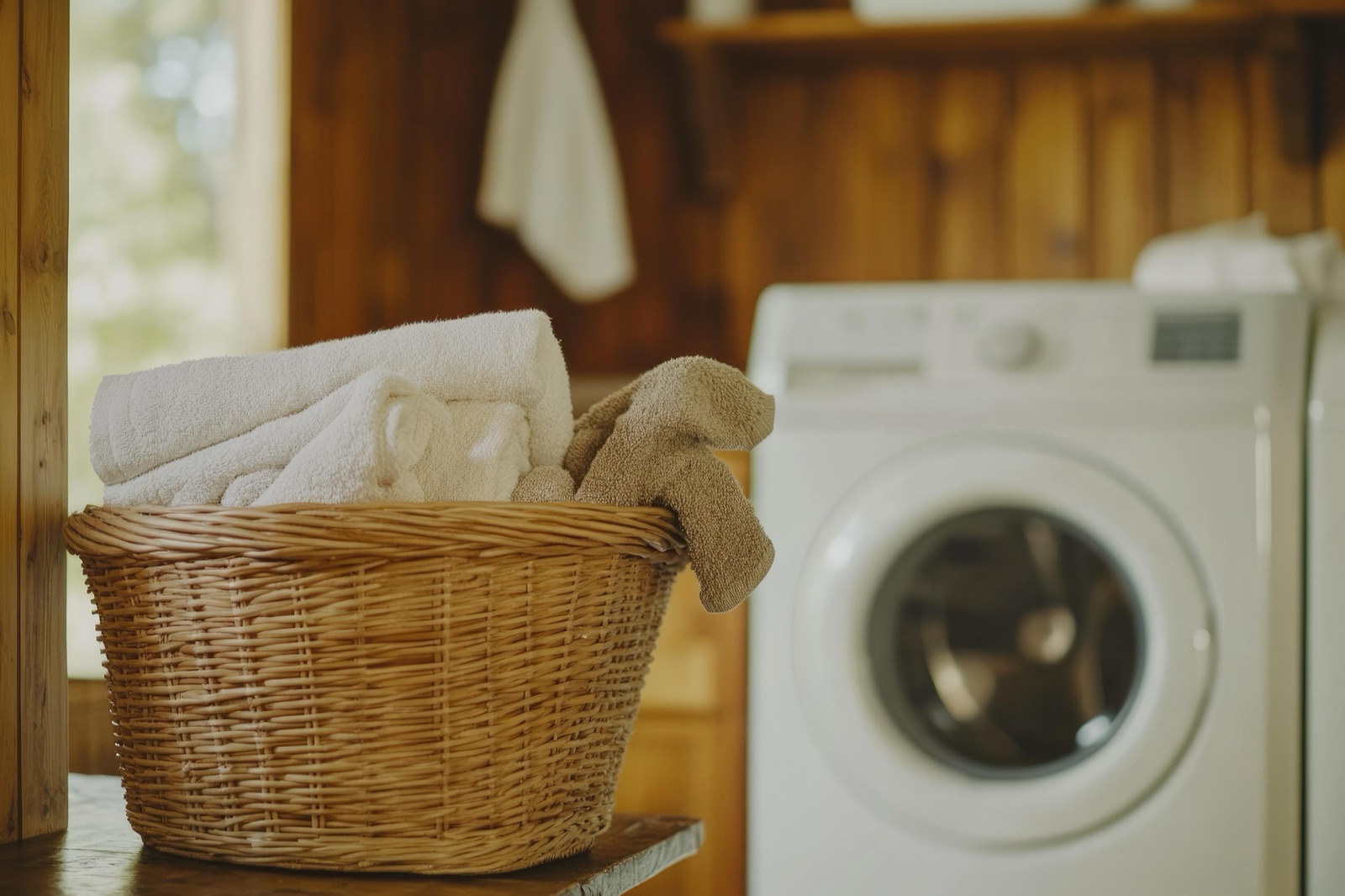
Cotton and wool shed fibers when you wash them too (one study measured it (opens in a new tab)). The difference is that those are natural fibers, and the thinking is that your body deals with them better than it does plastic. The science on that is still developing, so I'd call it a reasonable bet, not a guarantee.
Your dryer also blows microfibers into the air, which stays in your house if the vent isn't going outside.
One practical result from that same research: a lint trap on the washer can catch a lot. It retained up to 90 percent of polyester fibers in testing, and about 46 percent of nylon.
Roads, tires, and the outdoors
Penn State's Institute of Energy and the Environment (opens in a new tab) lists car tires, vehicle and brake emissions, and road markings among the sources, along with city dust, sea spray, and eroding landfills. Tires are a big one overall. A 2017 IUCN report (opens in a new tab) found that tire wear and synthetic textile wear together made up almost two-thirds of the primary microplastics entering the oceans. That's an ocean number, not an air number, but it shows how much plastic is coming off a set of tires.
Through your skin: the honest answer
Here's where the internet gets ahead of the science.
Intact skin is a pretty good barrier. In lab tests with polystyrene nanoparticles (opens in a new tab) (20 nm and 200 nm), researchers didn't see the particles get deeper into the skin. Larger microplastics almost certainly can't cross it. Most reviews call skin the least significant route.
Researchers are still looking at whether very tiny particles can sneak in through hair follicles, sweat glands, or broken skin like cuts and scrapes. Some reviews say they might. Nobody has shown it conclusively in people.
What's not up for debate is that plastic ingredients show up in personal care products. Exfoliating scrubs, some cleansers, toothpastes, and sunscreens have used plastic microbeads or polymer particles. The US banned plastic microbeads in rinse-off products (toothpaste included) under a 2015 law (opens in a new tab), with sales ending in 2018, and Canada did the same that year. The UK and several other countries have rinse-off bans too. The EU adopted a broader restriction on intentionally added microplastics (opens in a new tab) in 2023, but it phases in slowly: 2027 for rinse-off cosmetics, 2029 for leave-on, and 2035 for makeup, lip, and nail products. So bans exist, but they don't cover every polymer ingredient, and they haven't reached every shelf yet.
Rinse-off products also get swallowed (toothpaste) or washed down the drain, which is its own plastic story. So even if skin isn't the main door, I'd still check labels.
The clothes question is similar. Synthetic fabric against your skin all day is contact, but the bigger deal is probably the fibers shedding into the air and dust around you.
Where does it go once it's in?
Smaller particles can get across the gut lining or the lungs and into the bloodstream, then travel. Scientists have reported finding microplastics in blood, lungs, the gut, placentas, breast milk, and semen. Finding them isn't the same as proving they cause harm, though, and that gap is the whole story right now.
The heart study. A 2024 study in the New England Journal of Medicine (opens in a new tab) followed 257 people having surgery on their carotid arteries. About 58 percent had micro- or nanoplastics in their artery plaque, mostly polyethylene. Over roughly 34 months, those people were about 4.5 times more likely to have a heart attack, stroke, or die. The researchers were clear that it doesn't prove plastic caused it. The group with plastic also had more of the usual risk factors, like smoking and diabetes. A cardiologist at the Cleveland Clinic called it a wake-up call, but not proof.
The brain study. You've probably heard the one about a plastic spoon's worth of microplastic in your brain. It came from a February 2025 study in Nature Medicine (opens in a new tab) that looked at autopsy samples from 28 people. The documentary I mentioned earlier repeated it, and it's a scary one.
It's also been challenged. Critics pointed out that the method used can mistake body fat for polyethylene, and the brain is very fatty. Outside experts questioned the numbers, and the study's authors admitted some images in the paper were duplicated by mistake (they said it didn't change the findings). Germany's federal risk assessment agency said the study looks carefully done but that the analytical method is the main point of criticism. Other brain research that used a different technique found just a few particles per sample.
My take: I'm not convinced anybody knows how much is in our brains. I'm also not convinced it's zero. The honest answer is that this science is young, the measuring tools are still being worked out, and a few big headline studies are being re-checked.
What the WHO said. A 2019 WHO review (opens in a new tab) of microplastics in drinking water concluded the risk was low at the levels measured, while also saying the data on very small particles was "extremely limited" and calling for more research. That's been the general pattern since.
So what do I actually do with this?
I'm not going to tell you to throw out everything you own. Nobody can afford that! A few moves take care of a lot of it, and they're cheap or free.
Stop heating food in plastic. Glass or ceramic in the microwave, and don't pour hot stuff into plastic containers. Swap the plastic cutting board for wood. Skip the silky pyramid tea bags. Drink from tap or a glass or stainless bottle when you can, and leave the plastic bottle out of a hot car.
For the air, vacuum with a real HEPA vacuum, keep your dryer vented outside, and put a lint trap on the washer. Each time you replace something, like sheets or a rug, go for cotton, linen, wool, or hemp if you can. And thrifting counts. Scientists are a bit split on whether used synthetics have already shed their loose fibers, but it keeps stuff out of the landfill and costs a lot less than buying new.
I'll write up specific swaps in later posts (bedding, cutting boards, cookware, all of it), so tell me what you want first.
I don't have comments on this blog, so come find me in The Plastic Detox group on Facebook (opens in a new tab). What was the first thing in your house that made you stop and go "wait, that's plastic?" I'm curious what it was for you. Share it in the group, and let me know which swap you want covered next.
Frequently Asked Questions
How do microplastics get into the human body?
Three ways. You swallow them in food, drinks, and particles shed from packaging, cookware, and cutting boards. You breathe them in as indoor dust, mostly synthetic fibers from clothes, carpets, and bedding. And they may come into contact with skin through personal care products and clothing, though skin is the least understood route.
What's the biggest way microplastics enter the body?
It's unsettled. Eating and drinking are the most studied route. But some researchers think breathing indoor dust could be as big or bigger, since people spend most of their time indoors where airborne microplastic levels run higher than outside.
Can microplastics be absorbed through the skin?
Probably not much. Lab tests on intact skin haven't shown polystyrene nanoparticles getting deeper, and most reviews rank skin as a minor route. Researchers are still studying whether tiny particles can enter through hair follicles, sweat glands, or damaged skin. There's no clear proof in humans yet.
Do plastic tea bags really release microplastics?
Yes, the "silky" pyramid-style ones. A 2019 McGill University study found a single nylon or PET tea bag steeped in near-boiling water released about 11.6 billion microplastics and 3.1 billion nanoplastics. Loose leaf tea or plastic-free paper bags avoid the issue.
Are there microplastics in the human brain?
A 2025 Nature Medicine study said yes, at high levels. Other scientists have challenged its method, saying body fat can be mistaken for plastic. Some studies using different techniques found only a few particles. It's an open question.
Is bottled water worse than tap water for microplastics?
Bottled water has generally tested higher. A 2024 Columbia and Rutgers study found an average of about 240,000 particles per liter in three US brands, mostly nanoplastics. Tap water also contains microplastics, but typically fewer.
Do water filters remove microplastics and nanoplastics?
Some do. Reverse osmosis is the strongest option because its pores are small enough to block nanoplastics. Carbon block filters likely catch larger microplastics, and pitchers are mostly unproven. The NSF/ANSI 401 certification only covers particles 1 micron and up, so ask for test data. In one lab study, boiling hard tap water and filtering it removed up to about 90 percent of micro- and nanoplastics.
Are microplastics proven to be harmful to humans?
Not yet. Researchers have found them in many organs, and one study linked them in artery plaque to higher rates of heart attack, stroke, and death. But that was an association, not proof of cause. Lab and animal studies show some cell damage, and long-term human studies are still missing.
How can I reduce microplastic exposure at home without replacing everything?
Start where the plastic touches food and air. Don't microwave or heat food in plastic, switch to a wood cutting board, skip plastic tea bags, vacuum with a HEPA filter, vent your dryer outdoors, and add a lint trap to your washer. Replace synthetic bedding and clothing gradually, and thrift when you can.
Sources
Primary studies and reports
- Rapid single-particle chemical imaging of nanoplastics by SRS microscopy (PNAS, 2024) (opens in a new tab)
- Plastic Teabags Release Billions of Microparticles and Nanoparticles into Tea (Environmental Science & Technology, 2019) (opens in a new tab)
- Assessing the Release of Microplastics and Nanoplastics from Plastic Containers and Reusable Food Pouches (Environmental Science & Technology, 2023) (opens in a new tab)
- Cutting Boards: An Overlooked Source of Microplastics in Human Food? (Environmental Science & Technology, 2023) (opens in a new tab)
- Human Consumption of Microplastics (Environmental Science & Technology, 2019) (opens in a new tab)
- Effective uptake of submicrometre plastics by crop plants via a crack-entry mode (Nature Sustainability, 2020) (opens in a new tab)
- Microplastics and Nanoplastics in Atheromas and Cardiovascular Events (New England Journal of Medicine, 2024) (opens in a new tab)
- Bioaccumulation of microplastics in decedent human brains (Nature Medicine, 2025) (opens in a new tab)
- Microplastics in drinking-water (World Health Organization, 2019) (opens in a new tab)
Coverage and background
- Massive amounts of tiny plastics found in bottled drinking water (ABC News, on the 2024 PNAS study) (opens in a new tab)
- Bottled water has up to 100 times more plastic particles than previously thought (Popular Science / Grist) (opens in a new tab)
- Some tea bags may shed billions of microplastics per cup (CBC News, on the McGill study) (opens in a new tab)
- Cutting Boards: An Overlooked Source of Microplastics in Human Food? (PubMed) (opens in a new tab)
- Microwaving plastic containers releases billions of nanoplastics (on the University of Nebraska-Lincoln study) (opens in a new tab)
- Domestic laundry and microfiber pollution (PMC) (opens in a new tab)
- How to Breathe In Fewer Microplastics in Your Home (BBC feature, republished) (opens in a new tab)
- Tiny plastics in carotid plaque tied to elevated risk for heart attack, stroke, death (Healio, on the NEJM study) (opens in a new tab)
- Microplastics found in arteries may be linked to heart attacks and strokes (Health Policy Watch) (opens in a new tab)
- Microplastics in the brain (German Federal Institute for Risk Assessment, BfR) (opens in a new tab)
- Does your brain really have enough plastic in it to make a spoon? (R&D World) (opens in a new tab)
- Cellular and Systemic Effects of Micro- and Nanoplastics in Mammals (Materials, 2023) (opens in a new tab)
- Penetration of Microplastics and Nanoparticles Through Skin (Journal of Xenobiotics, 2024) (opens in a new tab)
- You eat thousands of bits of plastic every year (National Geographic, on the 2019 Cox study) (opens in a new tab)
- Crop plants are taking up microplastics (Springer Nature Communities, on the 2020 Nature Sustainability study) (opens in a new tab)
- Plastic in farm soil and food (Environmental Health News) (opens in a new tab)
- Microplastics: ventilate and vacuum (University of Groningen, Barbro Melgert) (opens in a new tab)
- Microplastics: sources, health risks, and how to protect yourself (Penn State IEE) (opens in a new tab)
- Plastic from tyres is a "major source" of ocean pollution, says IUCN (opens in a new tab)
- Latest status of global ban on microbeads in personal care products (ChemSafetyPro) (opens in a new tab)
- EU adopts restriction of intentionally added microplastics (Cooley) (opens in a new tab)
- Drinking tea or plastic? (Consumers Association of Penang) (opens in a new tab)